A registered NDIS provider since 2019.
No plan yet? We can still help.
Registered
NDIS provider
2019
founded by a Registered Nurse
100+
staff across South-East Queensland
150+
participants supported
About Lifest HealthCare
Not just another registered NDIS provider
We specialise in tailored support for people with complex medical,
physical or mental health needs — making sure they get the level of
care that meets their NDIS goals and improves their daily life.
Lifest HealthCare is built on compassion, inclusion and transparency.
We offer services for all ages throughout the Greater Brisbane region,
Moreton Bay and the Gold Coast, walking alongside participants one step
at a time and co-creating solutions that lead to independence,
connection and a life worth celebrating.
2019
Founded by Maria Mervyn, a Registered Nurse and Specialist Support Coordinator.
2025
Grown from a one-person operation to a team of more than 100 — on care and word of mouth.
Today
Over 150 NDIS participants supported across South-East Queensland.
Our services
Support built around you
Nine NDIS supports, delivered by staff trained for complex and
high-intensity needs. Open any card for what it covers and who it suits.
Supported Independent Living
Promoting independence through tailored, daily support that adapts as your needs change.
What this covers
For participants who need ongoing help with everyday activities but want to keep their independence — living alone or in a shared home. Our staff deliver 24/7 support across personal care and mobility, life-skill building, activities and hobbies, medication assistance, behaviour support, meal preparation and housekeeping.
Personal care and mobility
Learning and practising life skills
Medication assistance
Behaviour support
Meals, cleaning and household essentials
Medium Term Accommodation
A hospital-to-home program that bridges the wait for a permanent housing solution.
What this covers
Temporary accommodation, generally funded for up to 90 days, while you wait for a long-term home — an SDA property to become available, home modifications or assistive technology to be finished, or a SIL/ILO arrangement to be finalised. MTA funds the accommodation itself; disability-related daily supports are delivered alongside it.
Usually funded up to 90 days
Accessible, disability-appropriate housing
Located near your services, family and community
Daily supports delivered during the stay
Individualised Living Options
Flexible living arrangements where you choose where you live and who you live with.
What this covers
ILO keeps your choice and control at the centre — live alone, with a host, or with a housemate you pick. Packages blend formal supports (drop-in workers, personal care, home management) with informal support from family, friends and neighbours, and change as your life does. ILO funds the support, not the house.
You choose where, how and with whom you live
Formal and informal supports combined
Package adapts as your goals change
Best suited to moderate support needs
Short Term Accommodation
A planned stay away from home that gives participants — and their carers — a break.
What this covers
Also known as respite. A short stay away from your usual home that sustains your regular care arrangements and prevents carer burnout. Stays are usually up to 14 days at a time, and cover support workers, the accommodation itself, meals, and activities that work towards your NDIS goals.
Usually up to 14 days at a time
Support workers and personal care included
Accommodation and meals covered
Keeps your usual level of support intact
Community Access Support
Hands-on and skill-building support that helps you take part in your community.
What this covers
Support to get out and about — appointments, shopping, social and recreational activities, group outings, community programs or a hobby you want to pick up. The focus is on meaningful participation rather than just being present: building confidence, independence and wellbeing.
Appointments, shopping and errands
Social, recreational and group activities
Safe, reliable transport
Skill-building for independent community access
In-Home Support
Personal care and daily living assistance delivered in your own home.
What this covers
Funded under Core Supports, in-home support helps you live more independently and safely at home. Workers assist with personal care, domestic tasks, meals and health routines — and shadow you while you learn to do a task yourself, from using the washing machine to cooking a new recipe.
Showering, dressing, grooming and oral hygiene
Cleaning, laundry and basic home upkeep
Grocery shopping, meal planning and cooking
Medication reminders and disability-related health tasks
Centre-Based Supports & Group Participation
Programs and activities at Shine House Community Centre that build social skills and confidence.
What this covers
Shine House is a house converted into a community centre — somewhere to gather outside your home, with a support worker or with friends. Structured day programs, social and life-skills groups, and group-based learning, recreation and therapy, all in a safe supported environment.
Structured day programs
Social and life-skills groups
Group learning, recreation and therapy
For children, teens and adults
Daily Living & Assistance with Self-Care
Support with day-to-day personal needs and routines, from occasional check-ins to 24-hour care.
What this covers
Help managing everyday physical and domestic tasks — the basic activities of daily living (bathing, dressing, eating) and the more complex ones that let you live independently in your community. Hands-on help, supervision and prompting, assistive technology, and advice on home changes that improve safety.
Hands-on help with bathing, dressing and feeding
Medication reminders and safety prompting
Assistive technology such as shower chairs and reachers
From occasional check-ins to 24-hour care
Transport
Getting you to appointments, work, social activities and community events.
What this covers
If your disability makes public transport substantially difficult, your NDIS plan will generally include transport funding. Depending on your transport budget, we can provide transport options that line up with your goals — alongside SIL, community access or self-care supports.
Medical and allied health appointments
Work, study and volunteering
Social activities and community events
Aligned to your NDIS transport budget
Not sure which support fits? Call us on
1300 523 524 and a member of the team will help you work out what you need — and what your
plan can fund.
What makes us different
Five promises we work to
We empower, not just support.
An experienced team of trained professionals who share hope and build your life skills, so you can build the life you want.
We deliver outcomes, not just services.
Through empathetic understanding we build your supports around you, with you, so you can live the life you want.
We meet people where they are.
No judgment, no labels, no conditions. Navigating mental health, a recovery program, or needing a clean slate to start — we support you where you are.
We walk one step at a time.
Progress is personal. Recovery, growth and independence look different for everyone, and we accommodate it all.
We include everyone.
Belonging is not optional. Celebrating life and good health is for everyone.
Experienced with complex needs
We hold registration to provide care for complex needs, and our staff are
trained in personal safety and conflict management. They support
participants living with, among other conditions:
Traumatic and acquired brain injuries
Spinal cord injuries
Cerebral palsy
Stroke
Multiple sclerosis
Neurodegenerative disorders including dementia and Huntington's disease
Congenital central hypoventilation syndrome (CCHS)
Amputation
Schizophrenia and bipolar disorder
Anxiety and trauma-related disorders including PTSD
Other complex mental illnesses
Community
A space for all
Shine House is a house converted into a community centre — somewhere to
gather outside your home, with a support worker or with friends. It runs
an active schedule of activities focused on both individual and group
skill development.
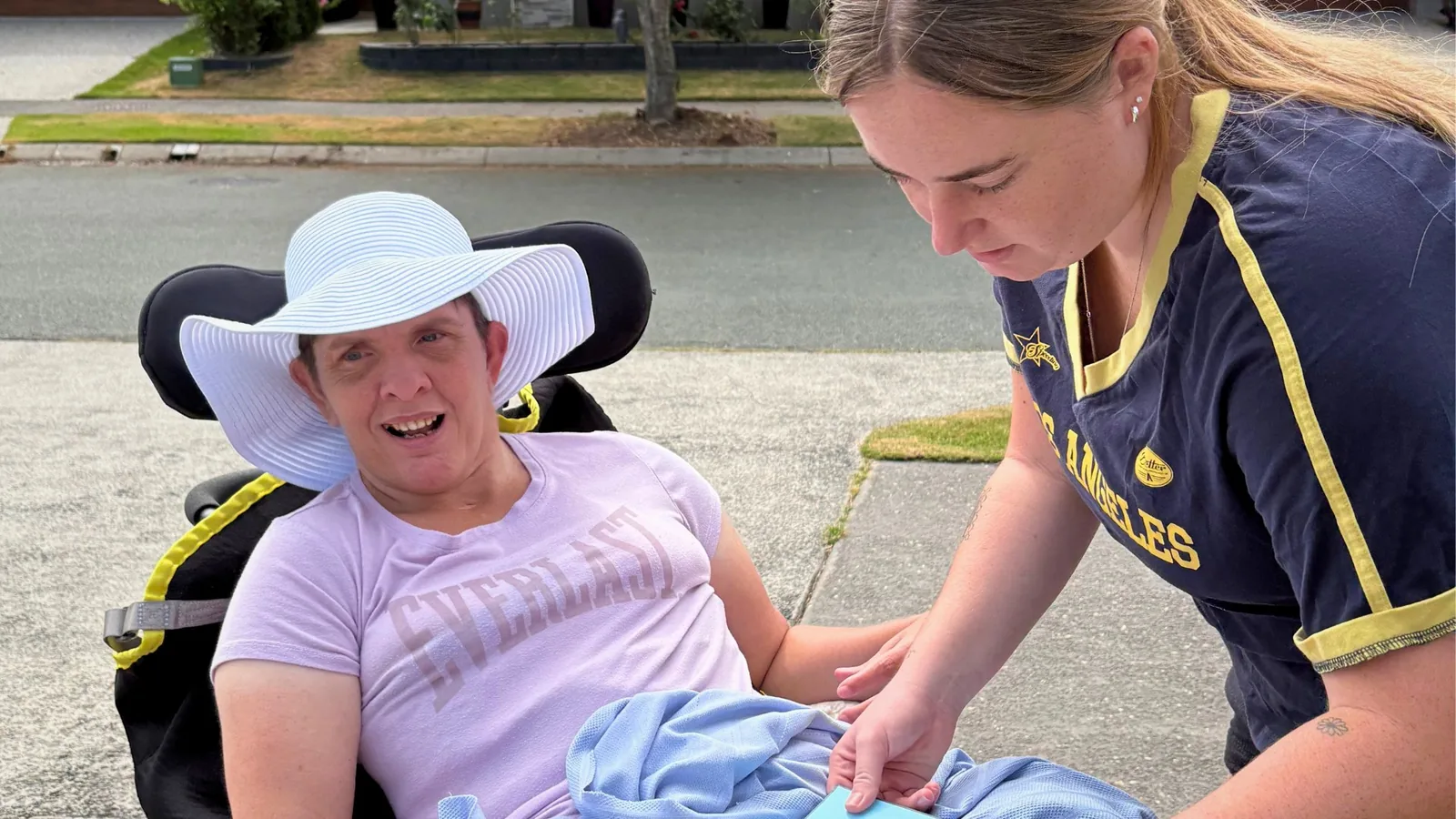
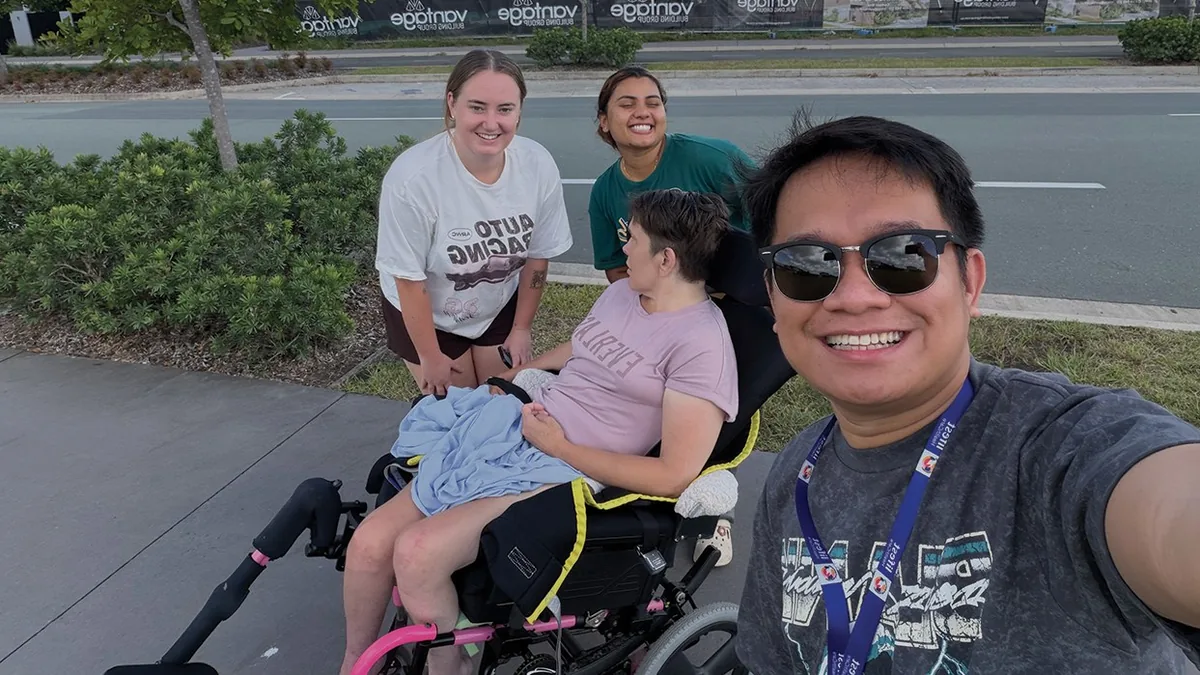
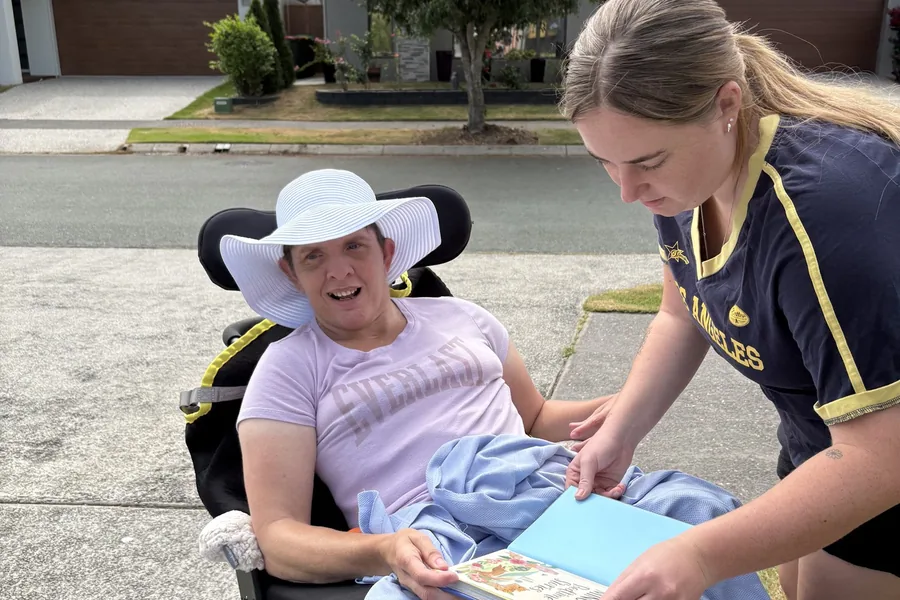
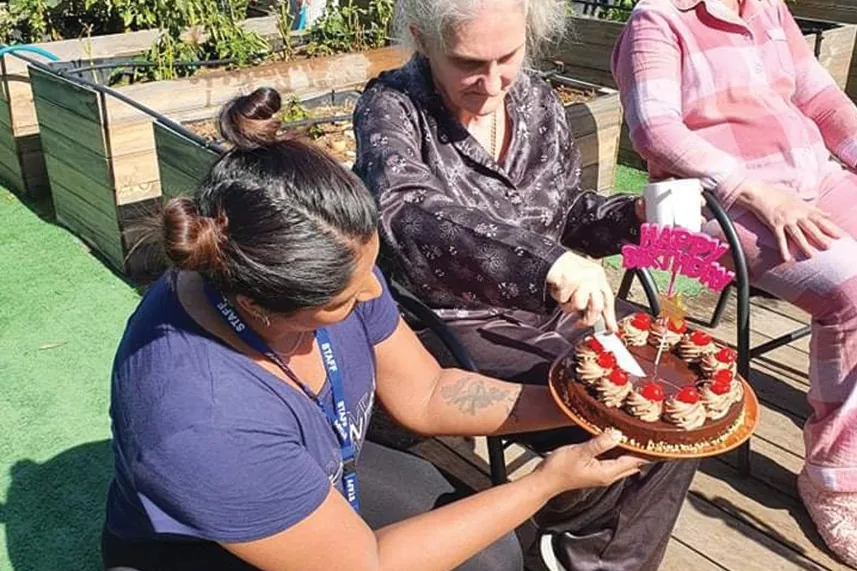
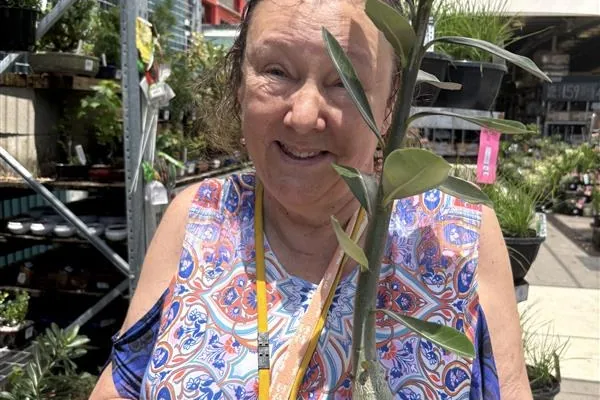
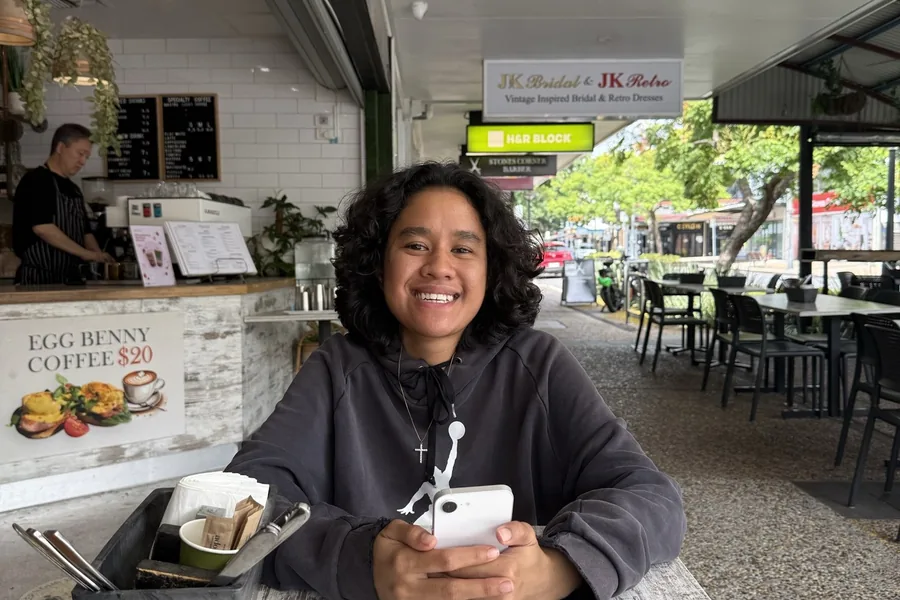
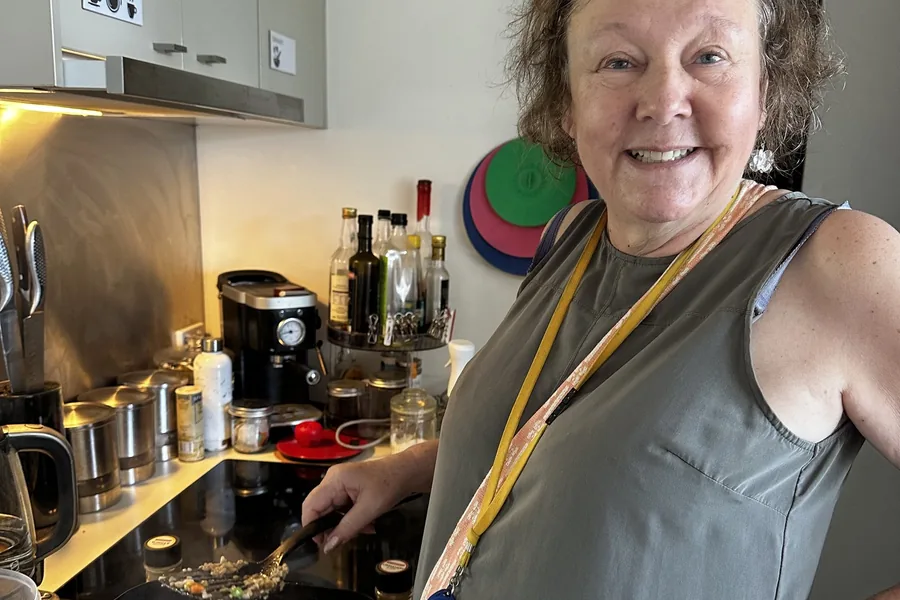
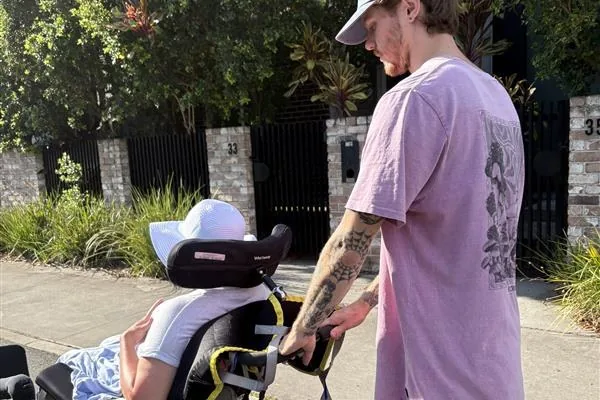
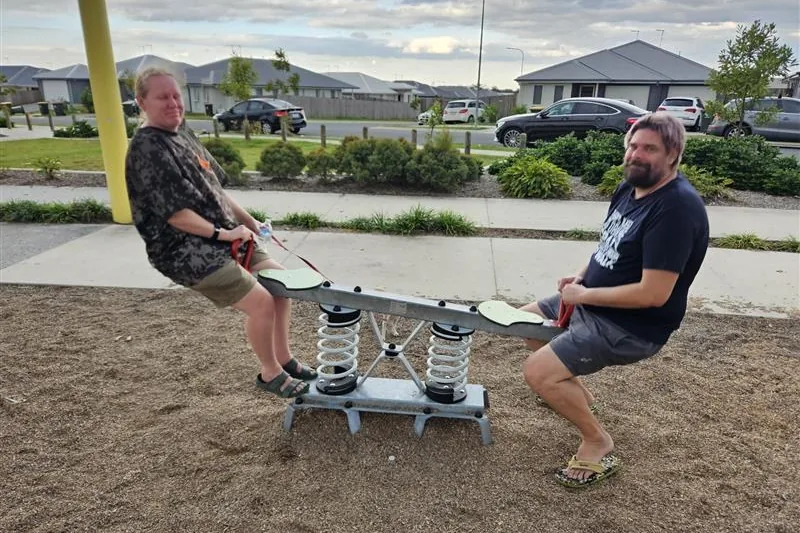
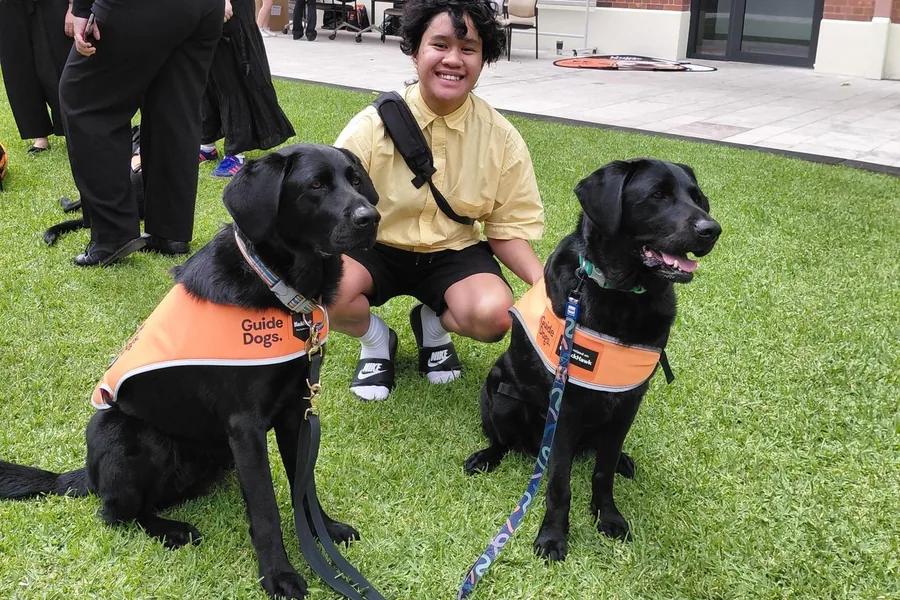
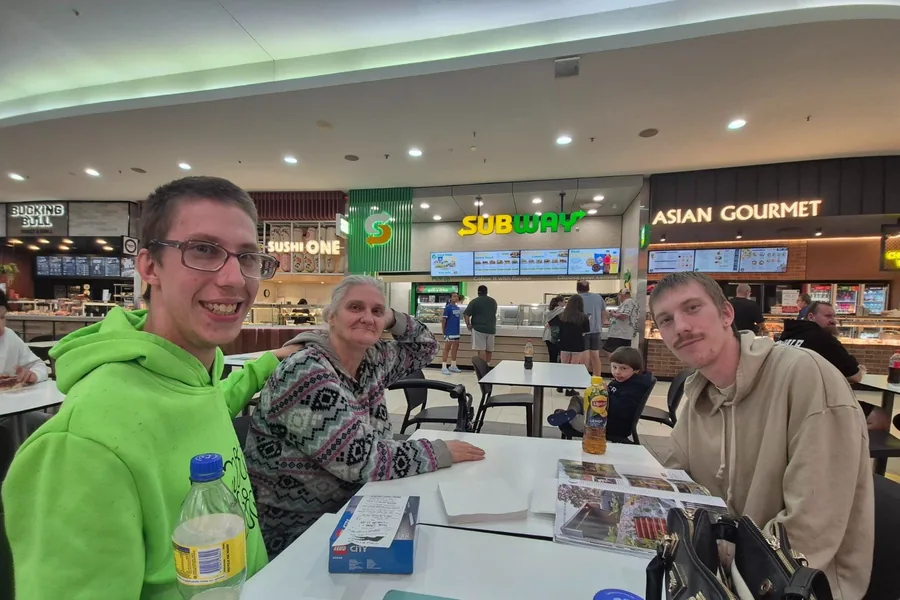
Beyond the centre, community access support gets participants out and
about: appointments and errands, sport and hobbies, days out, and
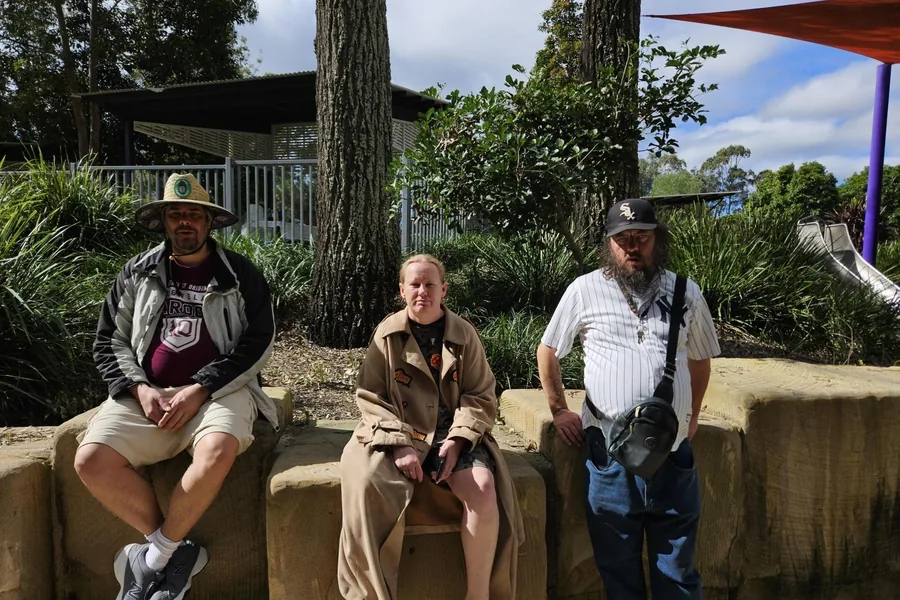
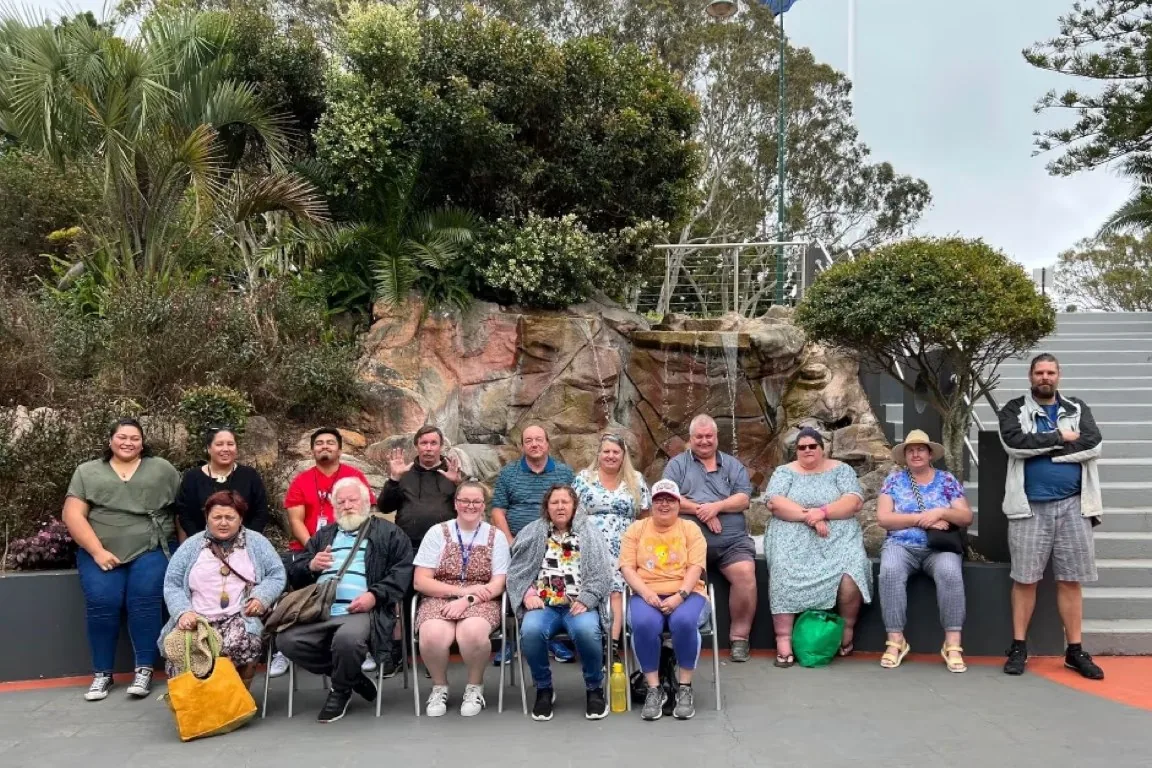
celebrations worth having. Every photo below is from a Lifest HealthCare
day.
Our people
Our strength is the people who deliver the care
As a registered NDIS provider, it's our people who make the difference.
They don't just bring years of experience — they bring care and empathy,
creating an inclusive space that nurtures motivation and good health.
At the heart of it is Maria Mervyn,
founder and Registered Nurse, whose background spans complex medical
care, medication management and hospital discharges into specialised
disability accommodation.
Compassionate
Inclusive
Honest and transparent
Safe and person-centred
Real achievements-oriented
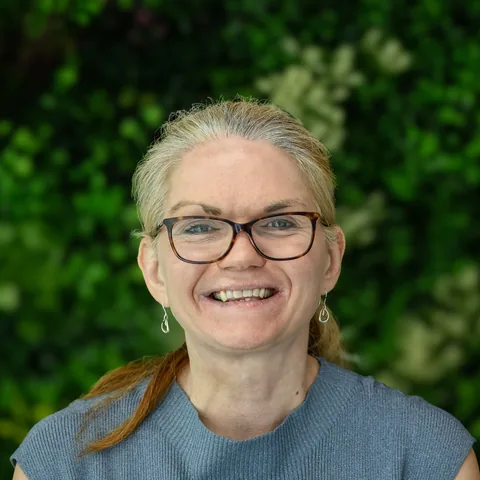
Barbara Hansen
HR Partner
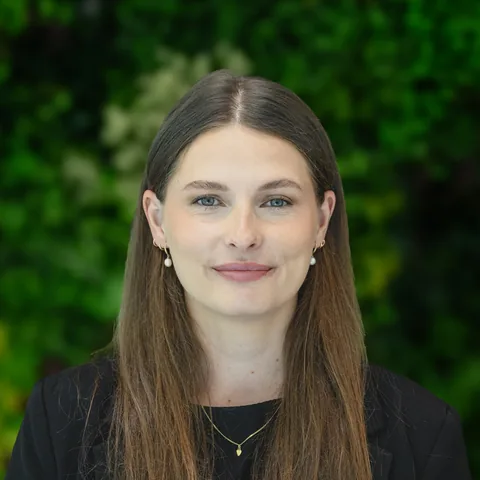
Jessica Ballard
Client Services & Quality Manager
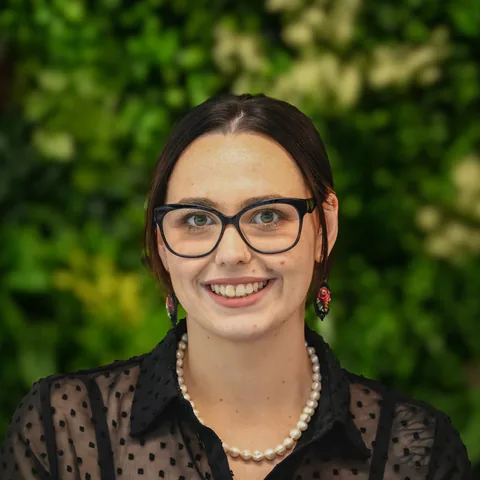
Lucy Hess
Area Coordinator, South West
Careers
Looking for a role that makes a difference?
We regularly hire dedicated support staff. If you want a rewarding,
purpose-driven role in the disability sector, send an up-to-date resume
to our recruitment team.
Purpose-driven work with a strong client-centred focus
What you'll need
At a minimum, or be willing to obtain:
A paid NDIS Worker Screening Card
Completed NDIS Worker Orientation
Valid CPR and First Aid
Valid driver's licence and comprehensive car insurance
Working rights, Australian citizenship or residency
Industry qualification (minimum Certificate III in Disability, or willingness to obtain)
At least one work-related reference (not a friend or relative)
All staff abide by the NDIS Code of Conduct.
Questions
Answers, in plain language
Years of working with participants, families and support coordinators
turns up the same questions. Here are the ones we're asked most. If yours
isn't here, send it through and we'll answer it.
About the NDIS and working with us
What is the NDIS?
The National Disability Insurance Scheme provides funding to eligible people in Australia with a permanent and significant disability, so they can access supports and services that increase their independence and participation in the community.
Who is eligible for the NDIS?
Eligibility usually depends on age (generally 9 to 65 when applying), residency status (Australian citizen, permanent resident, or protected special category visa holder), and having a permanent disability that significantly affects daily life.
What does “reasonable and necessary” mean?
Supports that relate to your disability needs, represent value for money, are likely to be effective, and help you achieve your goals — not your day-to-day living costs that are unrelated to your disability.
Do I need an NDIS plan to receive services from Lifest HealthCare?
No. We can provide fee-for-service supports — out-of-pocket payments based on the NDIS price guide — and we can work with other funding bodies case by case. Call 1300 523 524 to talk through your options.
What NDIS experience does Lifest HealthCare have?
Lifest HealthCare was founded in 2019 by Maria Mervyn, a Registered Nurse with extensive experience in complex medical care, medication management, and hospital discharges into specialised disability accommodation. Maria and her team share a person-centred, trauma-informed approach to compassionate care.
How do you build capacity and independence rather than doing things for me?
We build a care plan around you from the start. Our onboarding specialist asks what you think and feel about your life and your supports — even if you have a formal guardian who makes decisions for you. Your voice is part of the decision-making framework, and we update the plan as your needs and goals change. Staff are trained to break goals into step-by-step processes so you get there your way, in your time. If you need us to do more for you, we can, but we'll discuss it with you first.
What is your approach to cultural diversity and inclusion?
Our team comes from a range of ethnic backgrounds and beliefs, and includes employees with permanent disabilities. We meet people where they are, without prejudice or judgement, and we're a continuous-learning organisation. We are LGBTQ+ friendly.
Can I choose my support worker?
During intake we discuss your preferences and expectations, and build your team from those conversations. If we don't have workers who meet your expectations — training needs included — we'll train or recruit new staff for your team. You can give us feedback at any time on what is and isn't working, and we'll make changes together.
How do you handle conflicts of interest?
We have a conflict-of-interest policy and talk it through with you during intake and onboarding. We make sure our recommendations are in your interest by always giving you more than one option, and if you're unsure we can support you to talk it through with an advocate.
What is an advocate?
An advocate is a person or group who publicly supports, defends or speaks for someone — helping them speak up for their rights, needs and interests when they need extra support. An advocate is not employed by Lifest HealthCare, which keeps them impartial.
If I'm unhappy, how do I tell you?
Start with your area coordinator, who will discuss the situation and put a plan in place. If that doesn't resolve it, email or call the Service Manager. If it's still unresolved, use the contact form on this page. If the problem persists after that, you can contact the NDIS Quality and Safeguards Commission.
What do you think of “nothing about us, without us”?
You know what you want in your life and how you want to live it. We build your supports around you, include you in every decision and action, and give you the chance to give feedback so we keep improving for you.
Service by service
Supported Independent Living
What does SIL cover?
Everyday life skills — personal care, grooming, toileting, cleaning, laundry, grocery shopping, meal preparation and cooking — plus building skills like budgeting, travel and social skills. It also covers medication management, attending medical appointments, supervision for personal safety, and implementing behaviour support plans.
What doesn't SIL funding cover?
Rent or mortgage, utilities and groceries, home modification costs, and mainstream services such as health care unrelated to your disability support.
Individualised Living Options
Who should not opt for ILO?
ILO isn't recommended if you need high-intensity 24/7 rostered support (that usually points to SIL), if you need registered nursing care, or if you're looking for funding for the house itself — ILO funds the support, not rent, mortgage or household bills.
Short Term Accommodation
Who isn't eligible for STA?
Participants who already receive extensive paid support (such as those in SIL), or who don't live with informal support, are usually not eligible.
What is the annual limit?
Most eligible participants can access funding for up to 28 days per calendar year.
Medium Term Accommodation
What does MTA not fund?
Everyday living expenses such as food, internet and personal utilities, and personal care supports.
Are supports like SIL covered under MTA?
No. Additional supports such as SIL, personal care or transport must be funded separately through the relevant categories in your plan — usually your Core Supports budget.
Community Access Support
What does it fund, and what doesn't it?
The NDIS funds the support person — their time and expertise — and sometimes the transport to get there. It does not fund the activity itself: ticket prices, entry fees, meals, drinks or registration fees such as a sports club membership are everyday living costs.
In-Home Support
What isn't covered?
Rent or mortgage, groceries (though a worker can help you shop and cook), utility bills, and general furniture — unless it's specialised assistive technology such as a hospital bed or lift chair.
Centre-Based Supports & Group Participation
What won't the NDIS fund?
Supports that are just supervision, that replace school or education, or that aren't clearly linked to disability-related needs or goals.
Here to help
Get in touch
Whether you want help with NDIS plan management, a Lifest HealthCare
service, or just to work out which support fits — a member of our team
will talk it through with you.